How to Squat Properly: 5 Cues for a Stronger Squat
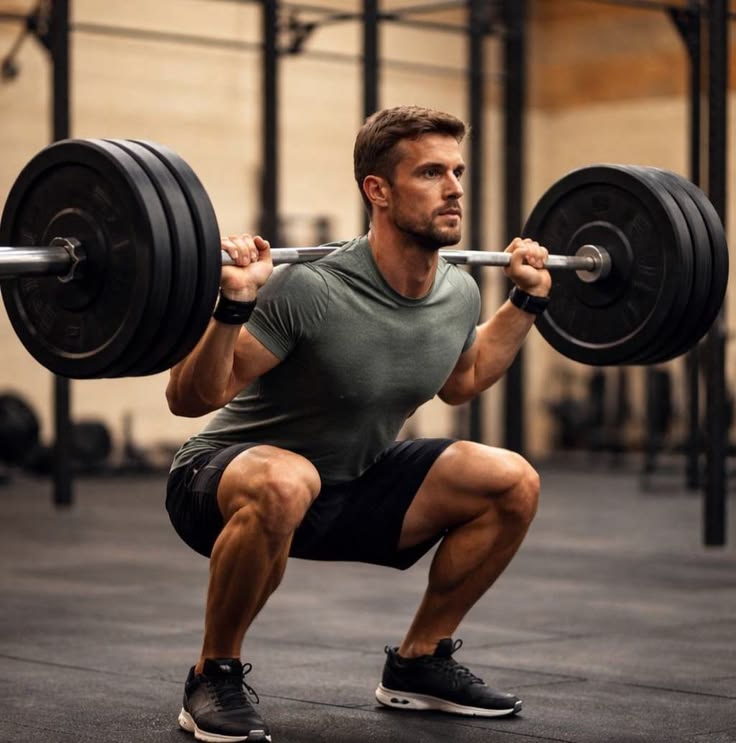
Five simple coaching cues that help you squat deeper, stay balanced and protect your back.
The squat is one of the most useful strength exercises, and also one of the most commonly rushed. These five cues are easy to remember under a loaded bar.
1. Set your feet
Stand with feet about shoulder width apart and toes turned out slightly, roughly 15 to 30 degrees. Everyone is built differently, so adjust until your hips feel free at the bottom.
2. Brace before you descend
Take a big breath into your belly, tighten your abs as if bracing for a light punch, and hold that tension on the way down. This keeps your spine stable.
3. Sit between your hips
Think of sitting down and between your heels instead of folding forward. Push your knees out in line with your toes and keep your whole foot on the floor.
4. Keep the bar over mid-foot
The bar should travel in a vertical line over the middle of your foot. If you tip forward onto your toes or back onto your heels, the bar path drifts and the lift gets harder.
5. Drive up with your chest
Stand up by pushing the floor away, keeping your chest tall. Let your hips and shoulders rise together instead of letting your hips shoot up first.
How deep should you go?
Go as deep as you can while keeping your back position and heels planted. For most people that is at least until the thighs are parallel to the floor. If depth is limited, try elevating your heels slightly with small plates or squat shoes, and work on ankle and hip mobility.
Film a set from the side with your phone. Seeing your own bar path is the fastest way to improve. If you have pain while squatting, stop and speak with a qualified professional.
Keep reading

Pull-Up Progression: From Zero to Your First 10
A step-by-step plan to build your first pull-up and then take it to ten clean reps.
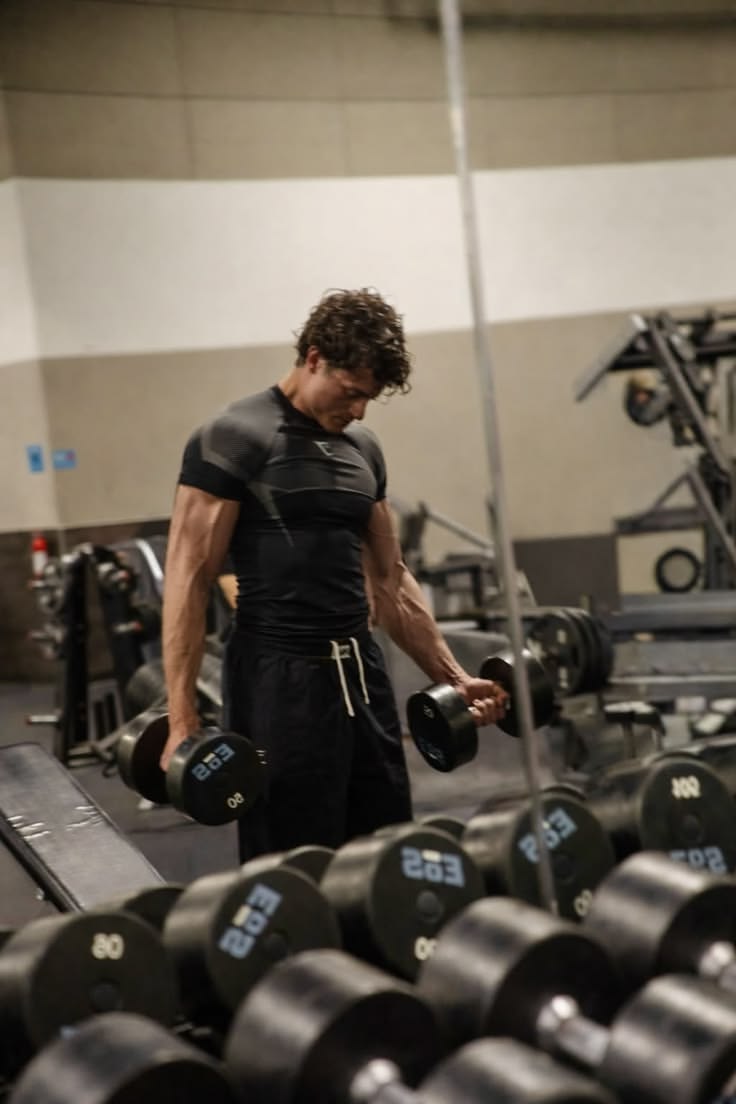
Push Pull Legs Split Explained
What a push pull legs split is, how to schedule it, and who it suits best.
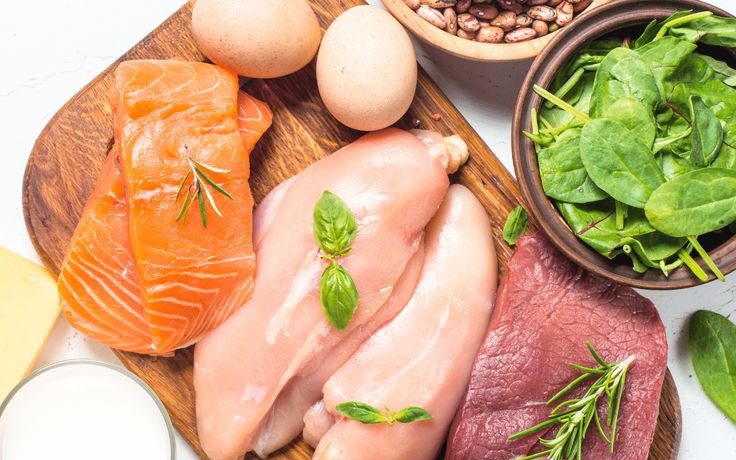
How Much Protein Do You Need to Build Muscle?
Evidence-based protein targets for lifters, with simple food examples and an easy way to calculate your number.