Sleep and Recovery: Why Rest Builds Muscle
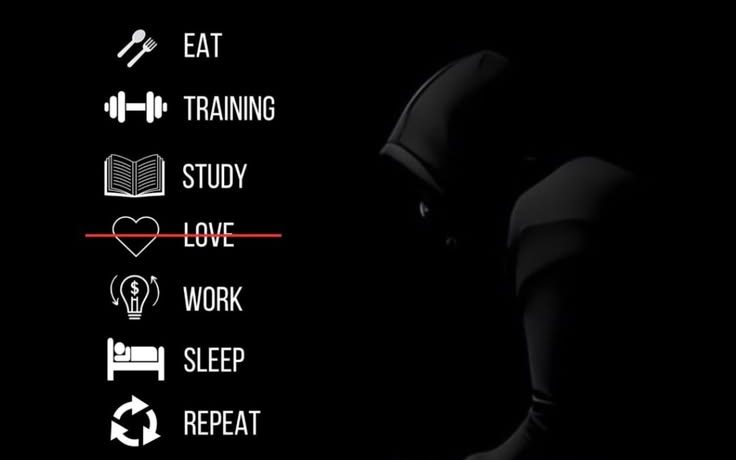
How sleep, rest days and stress management affect your gains, with simple habits you can start tonight.
Training is the signal, but recovery is where your body adapts. If you train hard and recover poorly, progress slows and injury risk can rise.
How much sleep?
Most adults do best with seven to nine hours per night. Short sleep is linked with lower training performance and poorer recovery. Try to keep a regular bedtime and wake time.
Simple sleep habits
- Stop caffeine at least six to eight hours before bed
- Keep your room dark, cool and quiet
- Avoid screens for 30 to 60 minutes before sleep
- Finish large meals two to three hours before bed
Rest days
Beginners usually do well with two to four lifting days per week. Rest days are for walking, light stretching and relaxing. If you feel constantly tired, strength drops or motivation vanishes, take an extra rest day or an easier week.
Food and hydration
Eat enough protein and total calories, and drink water through the day. Carbohydrates around training help refill energy stores.
Manage stress
High stress makes recovery harder. Short walks, breathing exercises and time away from screens can all help.
If you have ongoing sleep problems, speak with a doctor, because they can affect more than your training.
Keep reading

Home Bodyweight Workout: No Equipment Needed
A 30-minute full body bodyweight routine you can do at home, with easier and harder options for every move.

Fat Loss Basics: How a Calorie Deficit Works
A simple, realistic guide to losing fat while keeping muscle: calories, protein, training and patience.

Beginner Gym Plan: Your First 4 Weeks
A simple 3-day full body routine for people walking into a gym for the first time, with sets, reps and rest times.